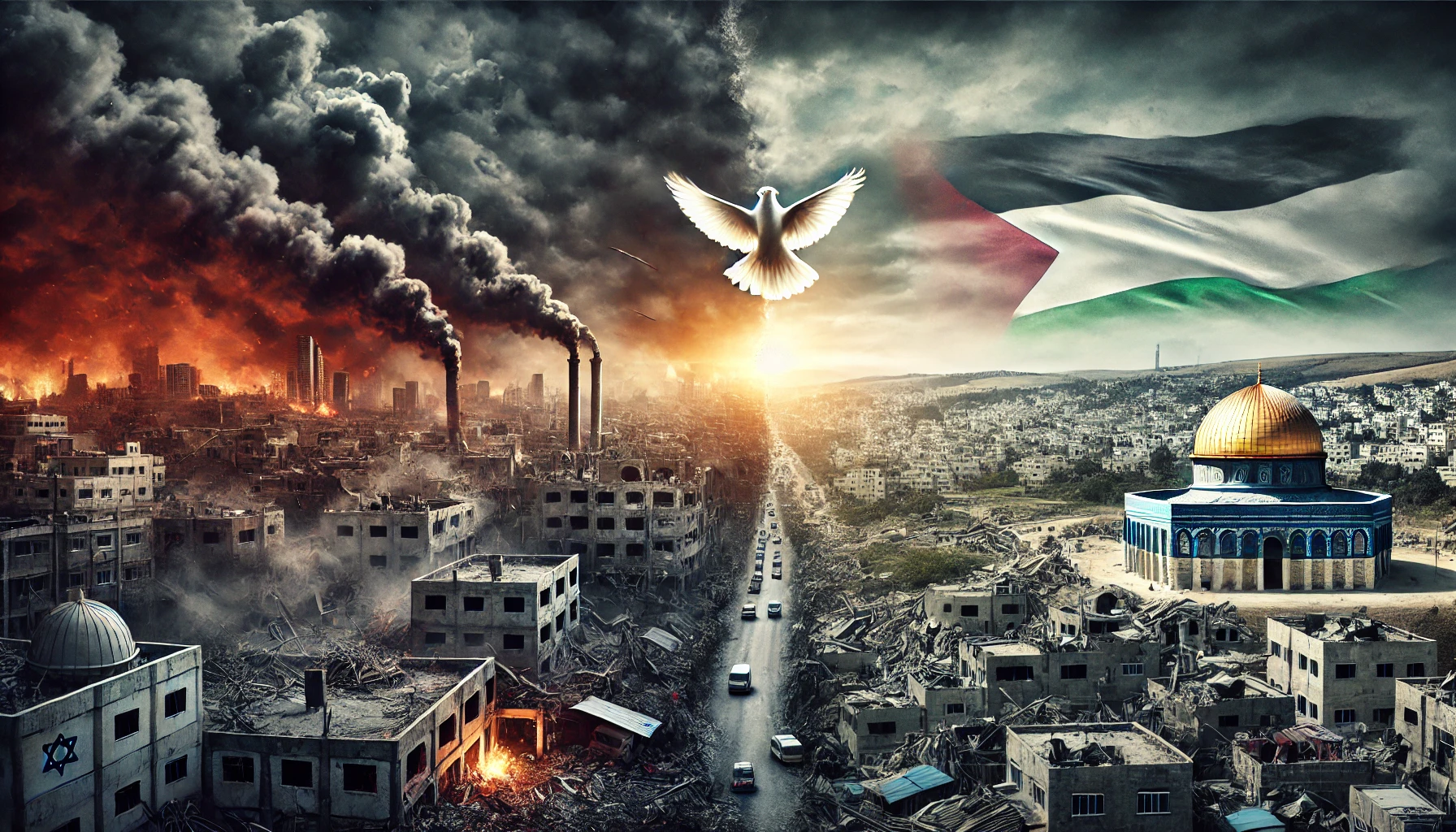
The Israel Palestine conflict between Israel and Hamas is more explosive than ever and needs an explanation. The Middle East is inflamed once again. After the tense ceasefire situation and Israel claiming to launch a “hell plan” against Hamas, everyone can see the explosions in the region. If diplomatic solutions help to stop escalation, the world will know if things turn towards war.
The Collapse of the Ceasefire
The ceasefire breakdown is undoubtedly one of the consequences. The agreement between Hamas and Israel where fighting was brought to a stalemate and hostilities ceased conducted by the triadic agreement of The United Nations, Russia, and The United States dubbed the Oslo Accords signed by Yasser Arafat and Yitzhakh Rabin is now defunct. The Palestinians also claim that they will not follow agreements until all obligations are observed on their side which have not been met. With both sides breaking agreements, Israel unfortunately has no other course of action other than increasing military action and hoping that it achieves positive results. Continuing to draft strategies where they impose blockades on Gaza cutting off electricity and water while tightening the ropes around their necks only increases hostilities.The “Hell Plan” and Its Aftereffects
The “Hell Plan” and its Consequences
The so-called “hell plan” of Israel aims to cripple the economic fronts of the Palestinian people and is aimed at militarily destroying Hamas. The plan encompasses the following steps:
- Augmentation of military activities in the region of Gaza.
- Skeleton blockades on foodstuff, fuels, and medicines.
- Strategic displacement of Palestinian civilians residing in the northern parts of Gaza towards the south regions.
Such plans could have consequences on the Palestinian society that supersede simply increasing violence in Gaza, and provoke a strong backlash from world powers. The price of food is skyrocketing, and even basic goods are becoming more and more difficult to acquire. Should Israel execute this plan, it is likely to meet increased violence and friction from Hamas and allied forces.
Hamas’ Response and Countermeasures
Hamas, on the other hand, is fully energetic. The organization has made clear that attempts of economic and military coercion will be met with stiff resistance. This will also include calls for greater military and diplomatic action at the global level. They have also threatened counterstrikes against Israel if the so-called “hell plan” is put into effect.
As aforementioned, Hamas is using the regional political environment to improve his position. The group is soliciting support from pro-Palestine Iran, Hezbollah, and other factions. If these parties get further involved, the conflict can stretch further than Gaza and could compromise the stability of the surrounding areas.
Diplomatic Efforts to Prevent War
Even at this phase when there is an event of international friction, communication among the states is possible and can be implemented. Egypt has been participating in negotiations actively for some time now trying to arrange a return to ceasefire which does not appear to be in place now. The League of Arab states is expected to also prepare a meeting to put on the agenda questions concerning Gaza and its reconstruction which may lead both sides to move away from warfare.
The US and European countries have asked to exercise restraint and underscored the urgent need for a political solution opposed to military action in the long run. However, as we all know, the relationship of Israel and Hamas has remained thin and brittle, making any attempt towards breaking through on achieving a diplomatic set of affairs a burdening task.
The Humanitarian Impact
For Gaza, one of the most critical impacts of the conflict is the aggravating humanitarian situation. With limited supplies available, Palestinian civilians are finding it increasingly difficult to cope. Aid agencies have pointed out serious deficits in food, medicine supplies, and access to clean drinking water which pose a risk to human welfare.
International organizations, such as the United Nations, have emphasized the extreme need for action to be taken for civilians caught in the crossfire of the growing conflict. Unfortunately, stresses regarding security and the logistics of delivering assistance thwarts many aid attempts. As a result, many Gazans remain without much hope.
Potential Scenarios: War or De-escalation?
The next several weeks will be critical in whether the mounting situation leads to full on warfare or bloodshed can be avoided through political means. Among the possible outcomes are the following:
Restoration of Ceasefire: Should international norms compel, Israel and Hamas might opt for a new ceasefire to alleviate the degree of conflict.
Moderated Warfare: The likelihood of fighting and increased violence remains, but not to the extent of a full fledged war.
Full-Scale War: Growing violence might lead to another drawn out major war in the Middle East with severe impacts on all parties involved.
Conclusion
Out of the many international crises, the Israel-Hamas struggle stands out as one of the most dangerous. With the recent collapse of the ceasefire and rising violence, the threat of war is very real. As the diplomatic powers persist, it is the future that is most concerning. At the forefront of everyone’s mind still lies the most important question: Are the countries of the Middle East going to continue plunging into chaos, or will sense and diplomacy prevail?
FAQs
What triggered the latest conflict between Israel and Hamas?
The collapse of the ceasefire and Israel’s “Hell Plan” military strategy, alongside Hamas’ countermeasures, have escalated tensions in Gaza.
What is Israel’s “Hell Plan” and how does it impact Gaza?
The plan involves increased military action, blockades on essential goods, and strategic displacement of Palestinian civilians, leading to severe humanitarian consequences.
How is Hamas responding to Israel’s military actions?
Hamas has vowed retaliation, seeking support from Iran and Hezbollah while preparing counterstrikes against Israeli forces.
What role is diplomacy playing in preventing a full-scale war?
Egypt, the Arab League, the U.S., and European nations are pushing for diplomatic solutions, though tensions remain high and a breakthrough is uncertain.
What are the possible outcomes of this conflict?
The situation could lead to a restored ceasefire, prolonged low-intensity conflict, or full-scale war with devastating consequences for the region.